At Pownall Hall School, pastoral care is not a programme or a policy. It is how we work, how we teach and how we care for every child, every day.
We believe that children achieve their best academically when they feel safe, confident and understood. Our approach to wellbeing is therefore woven through school life – from the way children are welcomed in the morning, to how they are supported through challenges, celebrated for their character, and guided as they grow.
This balance of high expectations and genuine care is at the heart of Pownall.

Every child at Pownall is supported by a clear, well-structured pastoral framework.
Form Teachers are the first point of contact, building strong daily relationships and noticing changes early
Senior leaders maintain oversight, continuity and consistency
Specialist support is available when needed, without stigma or delay
Parents are partners in the process, not kept at arm’s length
This ensures children feel secure, listened to and confident in seeking support.

Our pastoral provision is led by Mrs Vicky Hayton, Deputy Head and Head of Pastoral Care, who works closely with form teachers, senior leaders and families to ensure each child’s emotional, social and personal development is supported with care and professionalism.
Clear lines of responsibility, regular communication and a culture of openness allow concerns to be addressed early and thoughtfully, always in the best interests of the child.

Wellbeing at Pownall is not limited to specific initiatives. It is embedded in daily school life through:
predictable routines and calm transitions
small class sizes where children are truly known
positive behaviour rooted in respect and responsibility
opportunities for leadership, voice and contribution
explicit teaching of kindness, resilience and self-regulation
Children are encouraged to talk, reflect, problem-solve and take responsibility for themselves and others.
From an early age, pupils are given opportunities to contribute meaningfully to school life.

In the Prep School, Form 6 pupils take on leadership roles such as Heads of Pastoral Care, School Council representatives and Anti-Bullying Ambassadors. These roles are not symbolic – they involve real responsibility, visibility and contribution.
Younger pupils benefit from:
buddy systems across year groups
positive role models
a culture where kindness and inclusion are noticed and celebrated
This develops empathy, confidence and a strong sense of belonging.
Safeguarding underpins everything we do. All staff are trained regularly, clear procedures are followed, and children are taught how to speak up, seek help and keep themselves safe.
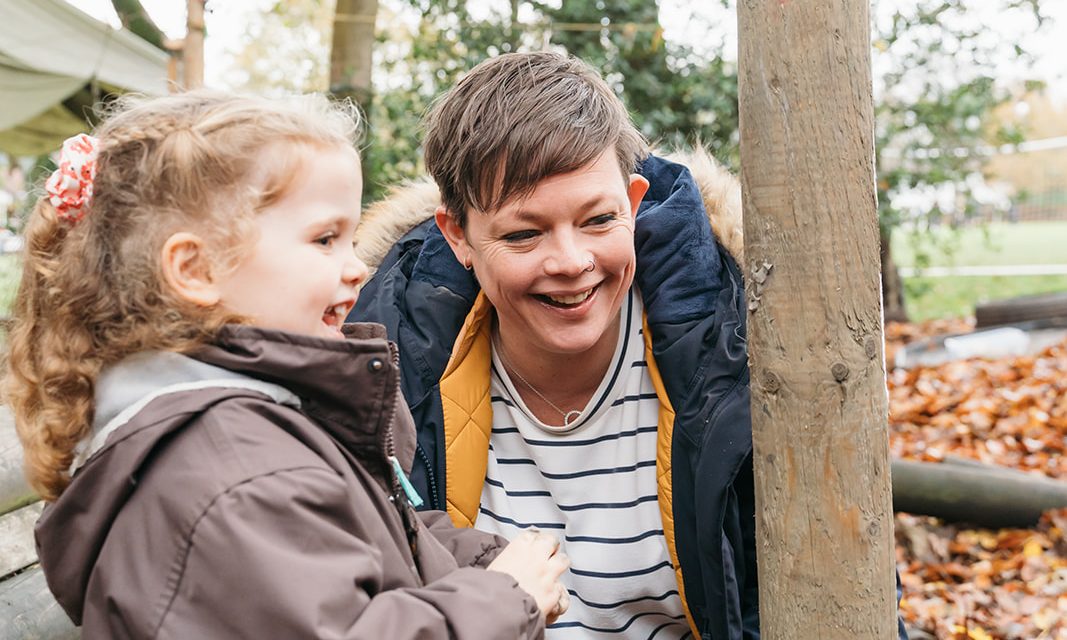
Emotional support is provided in age-appropriate ways, whether through:
one-to-one conversations
small group support
structured interventions
or simply time, reassurance and consistency
Children are supported without being labelled, and help is provided sensitively, proportionately and promptly.

In our Early Years, wellbeing begins with security, warmth and connection.
Children benefit from:
calm, nurturing environments
strong key person relationships
daily outdoor learning and nature-based experiences
routines that promote confidence and independence
Our woodland setting, Forest School provision and child-led approach allow children to develop resilience, curiosity and emotional security from the very start of their Pownall journey.

Pownall is a close-knit community where children learn that they are part of something bigger than themselves.
Through charity initiatives, community events, food bank support and intergenerational activities, pupils develop compassion, humility and social awareness. These experiences are purposeful, age-appropriate and grounded in real action, not token gestures.

We believe strong pastoral care is built on trust and communication.
Parents are kept informed, involved and listened to. Concerns are taken seriously, conversations are honest and support is collaborative. This partnership allows children to feel secure both at home and at school, knowing the adults around them are working together.
Our aim is not to wrap children in cotton wool, nor to leave them to cope alone.
We help them develop:
confidence without arrogance
resilience without pressure
independence with support
kindness with strength
This is how children leave Pownall prepared – emotionally, socially and academically – for the next stage of their education and for life beyond school.
